
AI Startups Test Virtual Drug Trials
AI companies are testing virtual clinical-trial simulations as a way to improve drug-development decisions before expensive human studies.
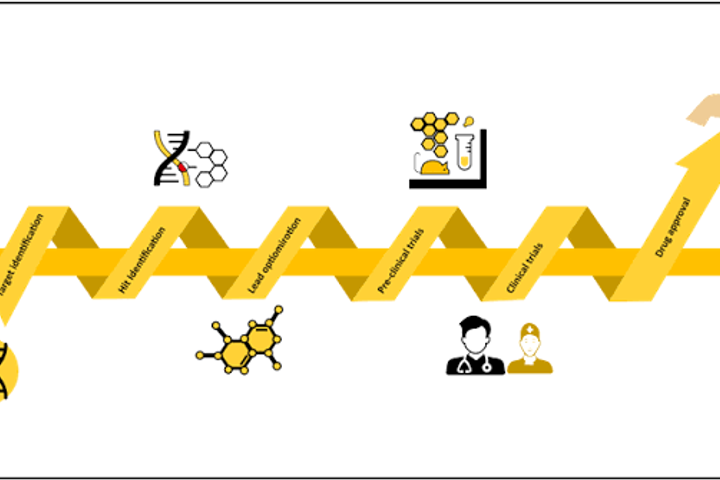
Clinical trials are one of the most expensive and failure-prone stages of drug development. A new group of AI companies is trying to predict more of that risk before patients are enrolled.
What happened
Companies including BioinvestGPT and QuantHealth are developing virtual clinical-trial simulations designed to estimate how experimental drugs may perform in human studies.
The systems combine biological, clinical and historical data to model potential trial outcomes. Early examples show that the technology can sometimes identify likely successes or failures, but the results are not consistently accurate and should not be treated as substitutes for real clinical evidence.
Why it matters
Drug developers spend enormous amounts on human trials, while only a minority of candidates ultimately reach approval. Even modest improvements in deciding which programmes to advance could save significant time and capital.
Virtual trials could also help companies test different protocol assumptions before committing to a real study, potentially improving trial design rather than simply predicting a binary success or failure.
The bigger picture
AI in biopharma is expanding beyond molecule discovery into development strategy. The opportunity is to use models across the full pipeline: target selection, molecule design, preclinical work, trial design and commercial decisions.
Virtual trials are still experimental, but they illustrate how AI could increasingly become a decision-support layer around some of the industry's most expensive choices.