
AI Data Centres May Lose Guaranteed Grid Power
PJM is proposing new rules that could curtail large data centres during grid emergencies when operators cannot provide their own power.
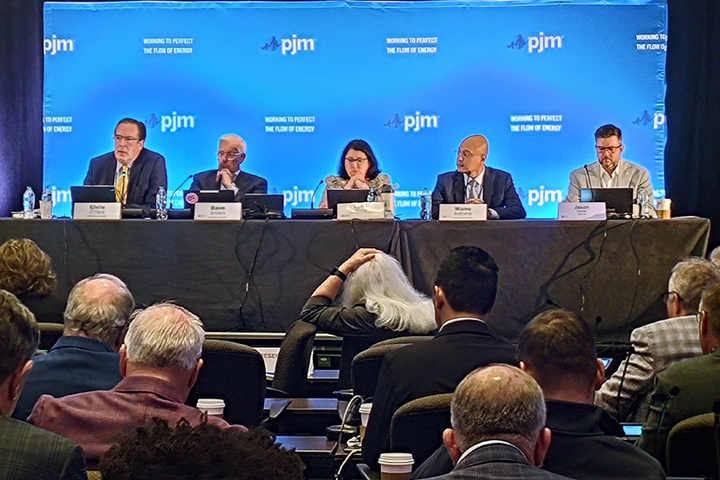
AI companies have spent years treating electricity as something a data centre can simply buy. PJM is warning that grid access may no longer come with an unconditional guarantee.
What happened
PJM’s board proposed a new capacity procurement process and registry for large electricity users across the largest US power market. Under the plan, large data centres that cannot supply or secure their own generation could face temporary curtailment during grid emergencies.
The proposal responds to rapidly growing electricity demand and long delays in adding new generation and transmission. Data centres can be built more quickly than power plants or grid lines, creating a mismatch between announced computing capacity and the electricity available to support it.
PJM is not proposing routine shutdowns whenever demand is high. Curtailment would be an emergency tool, and the broader plan still requires regulatory filings and cooperation with states.
Why it matters
Reliable power is fundamental to cloud and AI infrastructure. A data centre cannot promise continuous computing services if its electricity supply becomes interruptible during the moments when the grid is under greatest pressure.
That risk strengthens the case for on-site generation, batteries, demand-response software and long-term power agreements tied to new capacity. It may also favour developers that can locate projects near available electricity rather than only near fibre connections or tax incentives.
For startups, the opportunity sits around the constraint: software that schedules workloads around grid conditions, equipment that reduces cooling and power consumption, and new generation technologies that can be deployed faster.
The bigger picture
PJM’s move reflects a change in the AI infrastructure debate. The bottleneck is shifting from acquiring chips to securing the land, transmission and power needed to operate them.
There are still major uncertainties. The proposal is not yet a universally enforceable shutdown rule, and the final design could change through regulatory review. Curtailment may also be difficult for workloads that cannot move or pause safely.
Even so, the signal is important. Data centres are becoming active participants in energy planning rather than ordinary customers at the end of the wire. Future AI campuses may need to arrive with their own power strategy attached.