
AI data centres could use 20% of US power
A sharply higher demand forecast shows that AI growth is becoming an electricity, grid and infrastructure challenge.
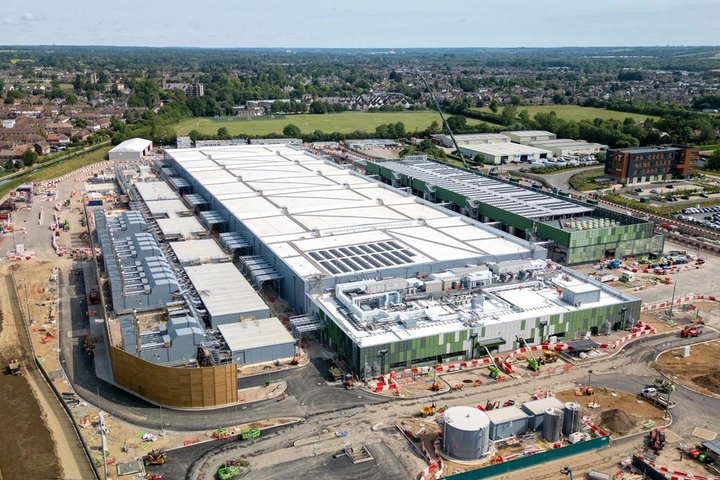
The AI race is increasingly constrained by power rather than processors. A new projection suggests data centres could consume one-fifth of US electricity within the next decade.
What happened
US data centres are projected to use around 20% of the country’s electricity by 2035, roughly four times their current share. Total capacity could approach 200GW, with nearly half dedicated to AI training and inference.
The estimate is 83% higher than the forecast issued in December, reflecting an accelerating development pipeline. Many planned facilities are concentrated in grid regions already facing congestion and higher electricity prices.
Why it matters
Electricity availability, transmission capacity and grid-connection delays are becoming direct limits on AI deployment. Securing chips is not enough if operators cannot connect new campuses or obtain reliable power at an acceptable cost.
The demand forecast creates opportunities across generation, batteries, nuclear energy, cooling, grid software and power-management infrastructure. It also increases the risk that data-centre growth raises costs or delays connections for other users.
The bigger picture
AI infrastructure is merging with the energy system. The largest technology companies increasingly need to think like industrial and utility businesses, securing land, long-term power and transmission capacity years in advance. The companies that solve these physical bottlenecks may capture as much value as the model developers driving demand.