
Agon Raises $30M to Build Virtual Battlefields for AI
London-based Agon has emerged from stealth with $30 million to build synthetic environments for training and testing autonomous defence systems.
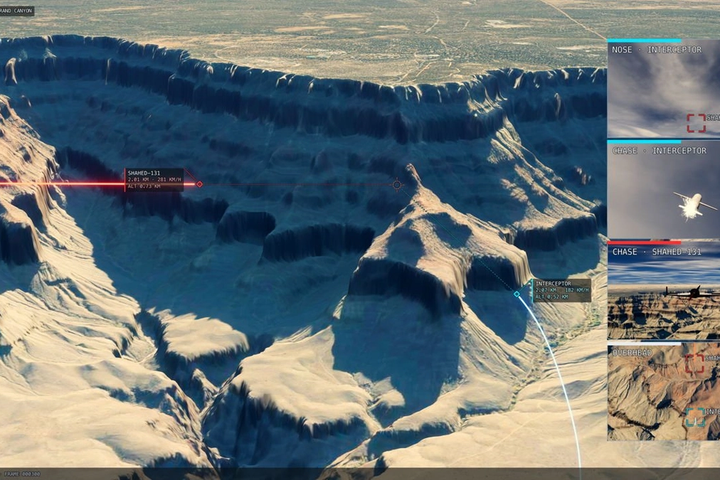
Autonomous defence systems need to encounter more scenarios than any physical test range can safely reproduce. Agon wants to build those missing worlds in software.
What happened
London-based Agon emerged from stealth with $30 million in funding, comprising a $7 million pre-seed round and a $23 million seed round. Its investors include Lakestar, 201 Ventures, D3, XYZ, Lux Capital and Northzone.
The company is developing synthetic battlefields where autonomous systems can be trained, tested and evaluated. These simulated environments can expose software to unusual weather, changing terrain, communication failures and the behaviour of multiple vehicles or sensors without requiring every scenario to be staged physically.
This is similar in principle to the simulation infrastructure used in robotics and autonomous driving. Real-world testing remains essential, but software can generate a much wider range of situations at lower cost and speed up the cycle between a failure, a software update and another test.
Why it matters
Data is a bottleneck for defence AI. Many relevant events are rare, dangerous or classified, while live exercises are expensive and difficult to repeat under identical conditions. Synthetic environments can help developers test how systems respond before putting hardware and people at risk.
Agon is therefore positioning itself as an infrastructure company rather than a manufacturer of a single drone or vehicle. If autonomous defence expands, every system may need a controlled environment for training, validation and procurement testing.
The bigger picture
Simulation is useful only when it reflects the real world closely enough. A system that performs well in a virtual battlefield can still fail when sensors behave differently, communications degrade or an adversary acts in an unexpected way. Agon will need to show how it validates its simulated data and connects virtual testing with physical trials.
The financing is confirmed, but the company’s performance claims remain company-reported and not independently verified enough. For now, the round is best read as a strong investor bet on defence-AI infrastructure, not proof that the virtual battlefield is ready to certify autonomous systems.