
Addionics targets the battery bottleneck behind always-on AI machines
Addionics is positioning a new battery architecture around the sustained power demands of autonomous vehicles, robotics, satellites and drones.
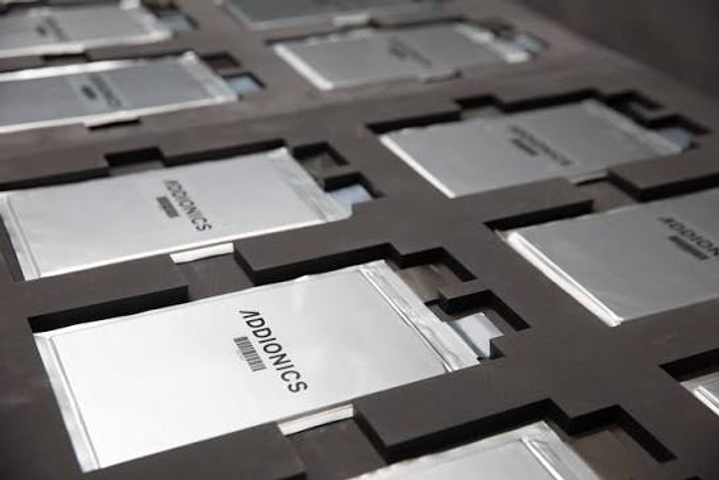
Physical AI systems are constrained not only by compute but by how long they can operate under persistent power demand.
What happened
Addionics unveiled a new battery architecture aimed at high-demand, continuously operating systems including autonomous vehicles, robotics, satellites and drones.
The company says the design is intended to improve performance, lifetime and efficiency under persistent workloads.
Those performance claims are company-reported and still require broader independent validation.
Why it matters
Always-on autonomous systems can place different demands on batteries than ordinary consumer electronics.
Robots, drones and other machines need energy storage that tolerates sustained power draw and repeated operating cycles.
That makes battery architecture part of the physical-AI infrastructure stack rather than merely an EV component.
The bigger picture
AI is creating new hardware bottlenecks outside data centres.
As more intelligence moves into machines, energy storage becomes a strategic constraint. Addionics is targeting that less-visible part of the stack.